Introduction
Programming languages are the foundation of modern technology. Every website, mobile app, game, artificial intelligence system, and software application is built using one or more programming languages. As technology continues to grow, learning the right programming language has become one of the most valuable skills for students, developers, freelancers, and IT professionals.
In 2026, programming is no longer limited to software engineers working in large technology companies. Businesses of every size, startups, educators, content creators, and even non-technical professionals are using programming to automate tasks, build digital products, analyze data, and solve real-world problems.
One of the biggest changes in recent years is the rapid growth of artificial intelligence, cloud computing, cybersecurity, and data science. These emerging technologies have increased the demand for developers who understand modern programming languages and know how to build reliable, scalable, and intelligent applications.
Every programming language has its own strengths and purpose. Some are perfect for web development, while others are designed for mobile apps, enterprise software, game development, artificial intelligence, or managing large databases. Choosing the right language depends on your career goals, interests, and the type of projects you want to build.
The good news is that learning to code has become easier than ever. With free online courses, interactive coding platforms, and powerful development tools, beginners can start building real projects from a laptop or even a smartphone. Many languages are also beginner-friendly, making programming accessible to people from all backgrounds.
In this guide, we explore the ten most important programming languages to learn in 2026. Each section explains what the language is, where it is used, why it is popular, recommended IDEs, career opportunities, and simple examples to help you understand its real-world applications.
By the end of this article, you will have a clear understanding of which programming language best matches your goals and how learning the right language can open doors to exciting careers in today's technology-driven world.
1. Python: The Most Beginner-Friendly Language That Powers AI, Automation, and Data Science
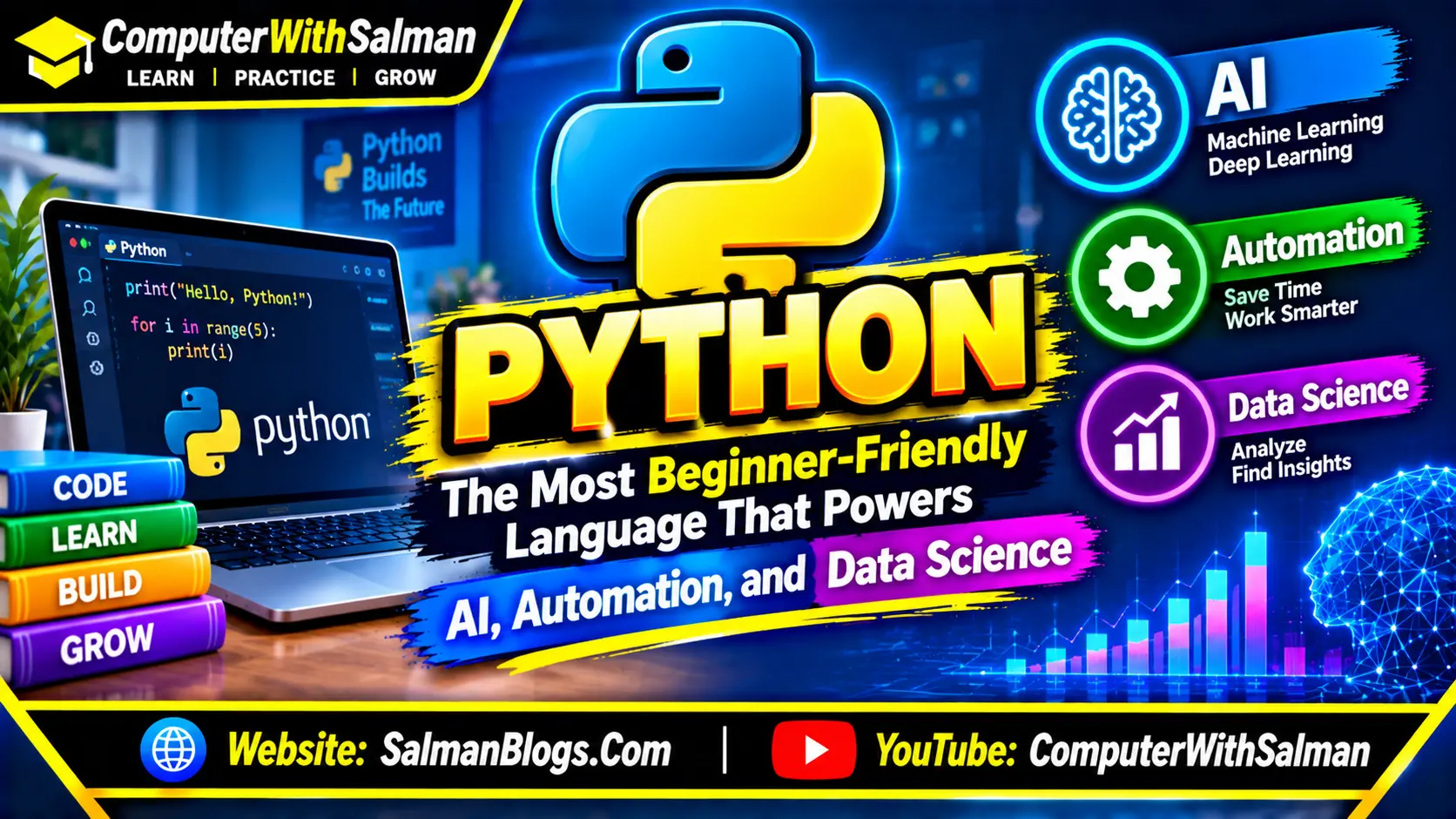
If someone asks, "Which programming language should I learn first?" the answer is almost always Python. It's simple to read, easy to learn, and powerful enough to build everything from small automation scripts to advanced artificial intelligence systems.
What makes Python stand out is its versatility. The same language can be used to create websites, analyze large datasets, automate repetitive tasks, build machine learning models, develop desktop applications, and even control robots. That's why Python remains one of the most in-demand programming languages in 2026.
Where Python Is Used
- Artificial Intelligence (AI): Building chatbots, recommendation systems, and machine learning models.
- Data Science: Analyzing data, creating reports, and finding useful insights.
- Web Development: Developing websites and web applications using frameworks like Django and Flask.
- Automation: Saving time by automating repetitive tasks such as file management, emails, and data entry.
- Cybersecurity: Creating security tools and penetration testing scripts.
- Game Development: Building simple games and prototypes.
- Cloud Computing: Managing servers and cloud infrastructure through automation.
Why So Many Developers Choose Python
- Easy syntax that's perfect for beginners.
- Huge collection of free libraries and frameworks.
- Large global community with thousands of tutorials.
- Works on Windows, macOS, and Linux.
- Used by startups, universities, and some of the world's biggest technology companies.
Simple Example
Imagine you receive hundreds of Excel files every week and need to combine them into a single report. Instead of spending hours doing it manually, you can write a short Python program that completes the entire job in just a few seconds.
The same language can also help you build an AI chatbot, scrape information from websites, or create a personal expense tracker.
Recommended IDEs
-
Visual Studio Code
Open the link below:
https://code.visualstudio.com/ -
PyCharm
Open the link below:
https://www.jetbrains.com/pycharm/ -
Jupyter Notebook
Open the link below:
https://jupyter.org/ -
IDLE (for Beginners)
Open the link below:
https://docs.python.org/3/library/idle.html
Career Opportunities
- Python Developer
- AI Engineer
- Machine Learning Engineer
- Data Scientist
- Automation Engineer
- Backend Developer
- DevOps Engineer
Who Should Learn Python?
Python is an excellent choice for beginners, students, freelancers, and anyone interested in AI, data science, automation, web development, or software engineering. Because it's easy to learn and widely used across different industries, it's often the best first programming language for new developers.
Final Simple Idea
Think of Python as the "Swiss Army knife" of programming languages. Whether you want to build websites, create AI applications, automate boring work, or start your programming journey, Python gives you one of the easiest and most flexible ways to do it.
2. JavaScript: The Backbone of Modern Web Development
While new programming languages continue to appear every year, JavaScript remains one of the most important skills for developers in 2026. If you've ever used an interactive website, streamed a video, shopped online, or filled out a form without the page refreshing, you've already experienced JavaScript in action.
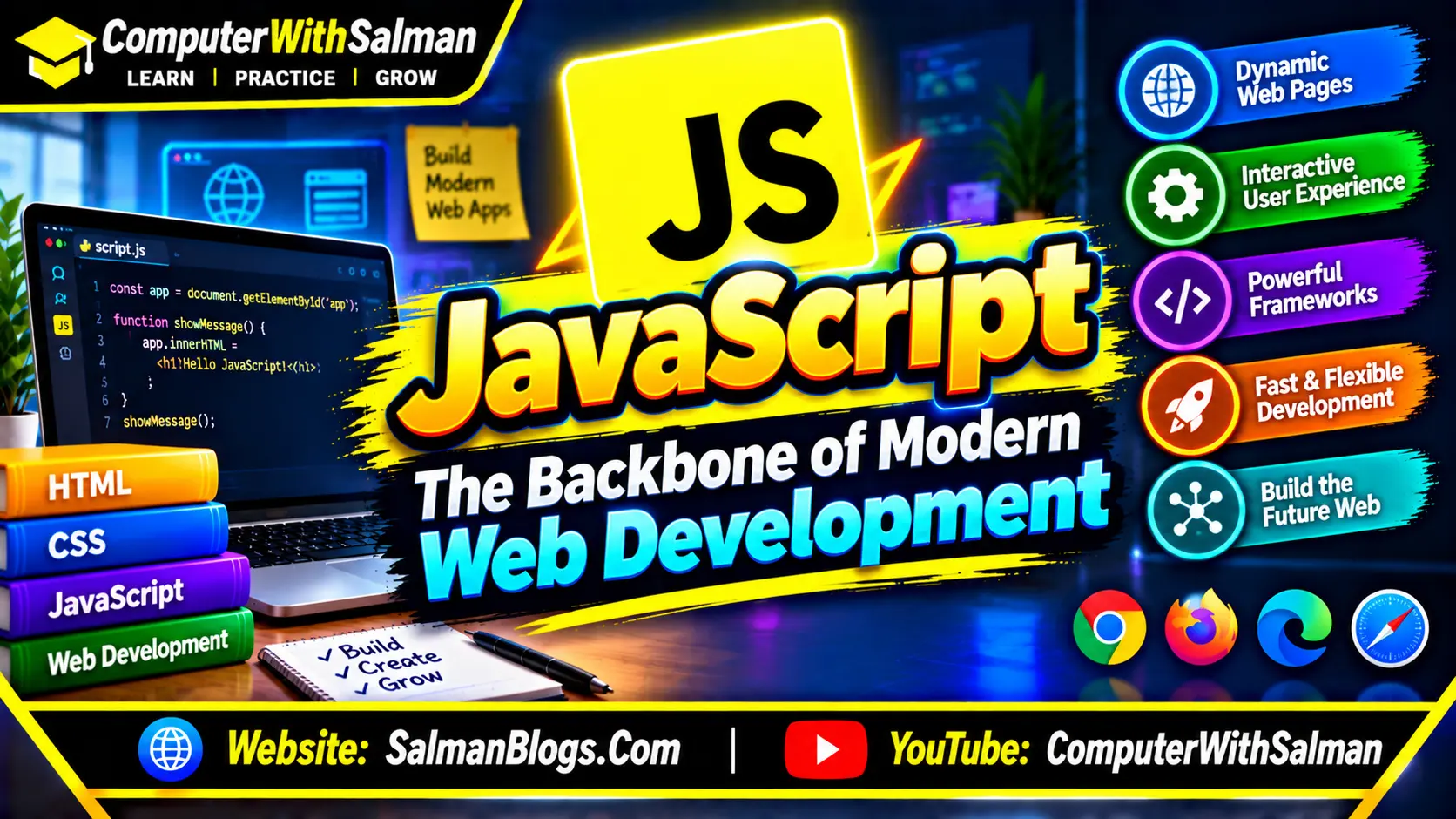
What makes JavaScript unique is that it runs directly in every modern web browser. Over the years, it has grown far beyond simple website interactions. Today, developers use JavaScript to build full-stack web applications, mobile apps, desktop software, cloud services, and even AI-powered web tools.
Where JavaScript Is Used
- Modern Websites: Creating fast, interactive user experiences.
- Frontend Development: Building responsive interfaces using React, Vue, Angular, and other popular frameworks.
- Backend Development: Developing APIs and web servers with Node.js.
- Mobile Applications: Building Android and iOS apps using React Native.
- Desktop Software: Creating cross-platform desktop applications with Electron.
- AI-Powered Web Apps: Integrating chatbots, AI assistants, and intelligent search directly into websites.
- Real-Time Applications: Powering chat platforms, live collaboration tools, dashboards, and online gaming.
Why JavaScript Is Still in High Demand
- Supported by every major web browser.
- One language can handle both frontend and backend development.
- Massive ecosystem of libraries, frameworks, and developer tools.
- Excellent choice for startups, freelancers, and enterprise projects.
- Essential skill for almost every web developer.
Simple Example
Imagine you're booking a flight online. As soon as you select your destination, available flights, prices, and seat options update instantly without reloading the page. JavaScript makes this smooth, real-time experience possible.
Another example is an AI chatbot on a website. When you ask a question and get an instant response, JavaScript helps connect the browser with the AI service and updates the conversation in real time.
Recommended IDEs
-
Visual Studio Code
Open the link below:
https://code.visualstudio.com/ -
WebStorm
Open the link below:
https://www.jetbrains.com/webstorm/ -
Cursor AI
Open the link below:
https://cursor.com/ -
Windsurf
Open the link below:
https://windsurf.com/
Career Opportunities
- Frontend Developer
- Full-Stack Developer
- Node.js Developer
- React Developer
- Next.js Developer
- JavaScript Engineer
- Web Application Developer
Who Should Learn JavaScript?
If your goal is to build websites, web applications, SaaS products, or become a full-stack developer, JavaScript is one of the best investments you can make. Even with the rise of AI coding tools in 2026, understanding JavaScript is still essential because AI can generate code, but developers need to understand how it works, customize it, and solve real-world problems.
Final Simple Idea
JavaScript is the language that powers the modern web. If Python dominates AI, JavaScript dominates websites and web applications. Learning it opens the door to one of the largest and most active developer ecosystems in the world.
3. TypeScript: The Modern Choice for Building Large-Scale JavaScript Applications
If JavaScript is the language of the web, then TypeScript is its smarter and more organized version. In 2026, TypeScript has become the preferred choice for professional web development because it helps developers write cleaner, safer, and easier-to-maintain code.
TypeScript is built on top of JavaScript, which means every valid JavaScript program is also valid TypeScript. The biggest difference is that TypeScript adds optional type checking, making it easier to catch mistakes before the code runs. This saves time, reduces bugs, and makes large projects much easier to manage.
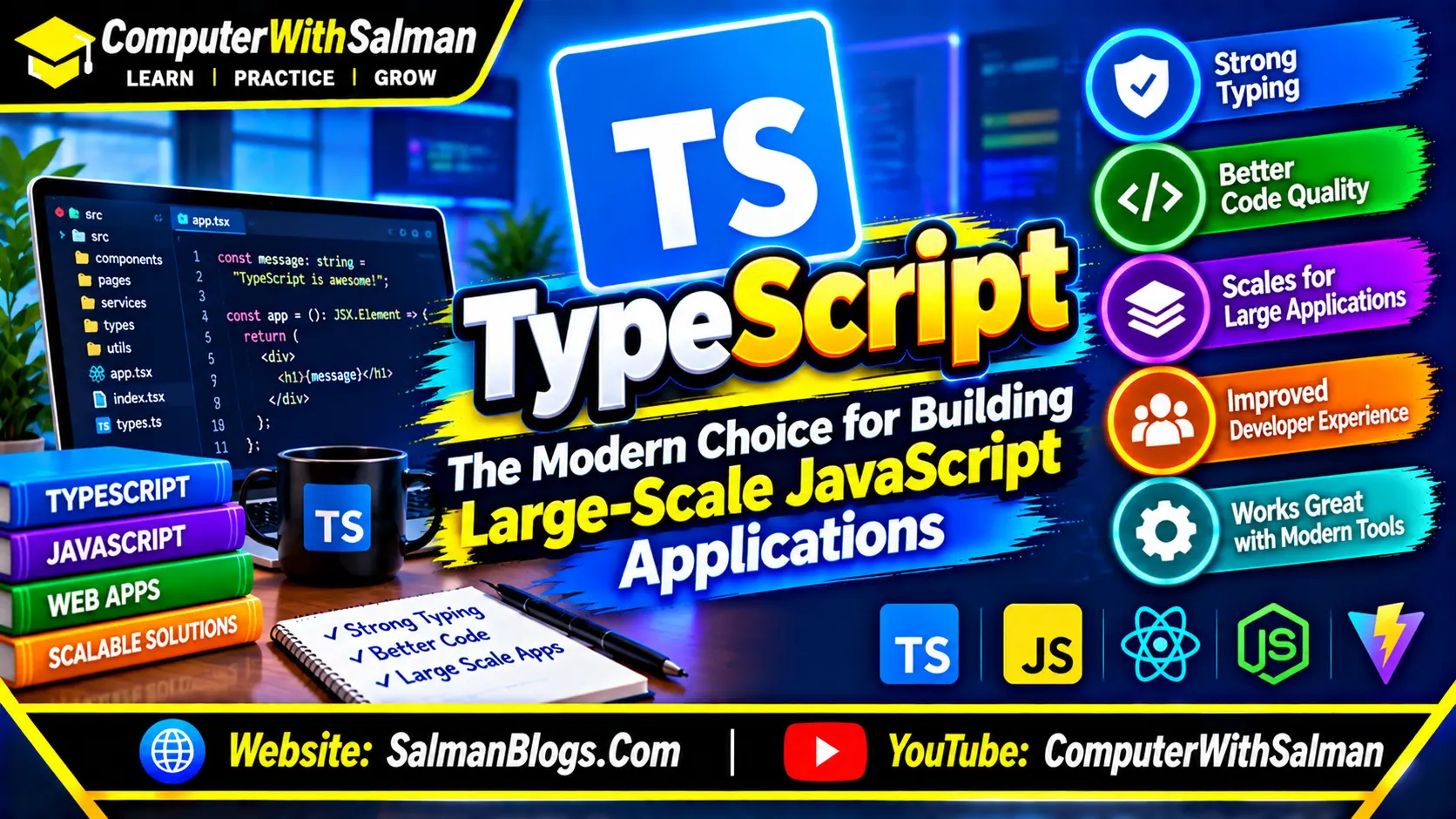
Today, many of the world's most popular web applications are built with TypeScript. Companies of all sizes use it because modern applications often involve thousands of files and teams of developers working together. TypeScript helps keep those projects organized and reliable.
Where TypeScript Is Used
- Large Web Applications: Building scalable websites and business applications.
- Frontend Development: Developing modern interfaces with React, Angular, Vue, and Next.js.
- Backend Development: Creating APIs and server-side applications using Node.js.
- Cloud Applications: Developing scalable SaaS products and enterprise platforms.
- AI-Powered Web Apps: Integrating AI assistants, chatbots, and intelligent features into web applications.
- Cross-Platform Applications: Building desktop and mobile applications with shared code.
Why TypeScript Is So Popular
- Finds coding errors before the application runs.
- Makes large projects easier to maintain.
- Works seamlessly with existing JavaScript code.
- Excellent support in modern frameworks like React and Angular.
- Preferred by many startups and enterprise development teams.
Simple Example
Imagine you're building an online banking application with hundreds of screens, thousands of users, and multiple developers working on the same project. TypeScript helps detect mistakes during development instead of letting users discover them later.
Another example is a large e-commerce website where developers constantly add new features. TypeScript makes it much easier to update the application without accidentally breaking existing functionality.
Recommended IDEs
-
Visual Studio Code
Open the link below:
https://code.visualstudio.com/ -
WebStorm
Open the link below:
https://www.jetbrains.com/webstorm/ -
Cursor AI
Open the link below:
https://cursor.com/ -
Windsurf
Open the link below:
https://windsurf.com/
Career Opportunities
- Frontend Developer
- Full-Stack Developer
- React Developer
- Next.js Developer
- TypeScript Developer
- Software Engineer
Who Should Learn TypeScript?
If you already know JavaScript or want to build modern web applications, learning TypeScript is one of the best next steps. It's especially valuable for developers working on professional projects where code quality, teamwork, and long-term maintenance matter.
Final Simple Idea
Think of TypeScript as JavaScript with an extra layer of safety. It helps you write more reliable code, catch mistakes early, and build applications that are easier to maintain as they grow. That's why it's become a standard tool for modern web development in 2026.
4. Java: The Trusted Language Behind Enterprise Software and Large-Scale Applications
Even after nearly three decades, Java remains one of the most widely used programming languages in the world. While newer languages continue to gain popularity, Java has kept its place by powering millions of business applications, banking systems, cloud services, and Android apps that people use every day.
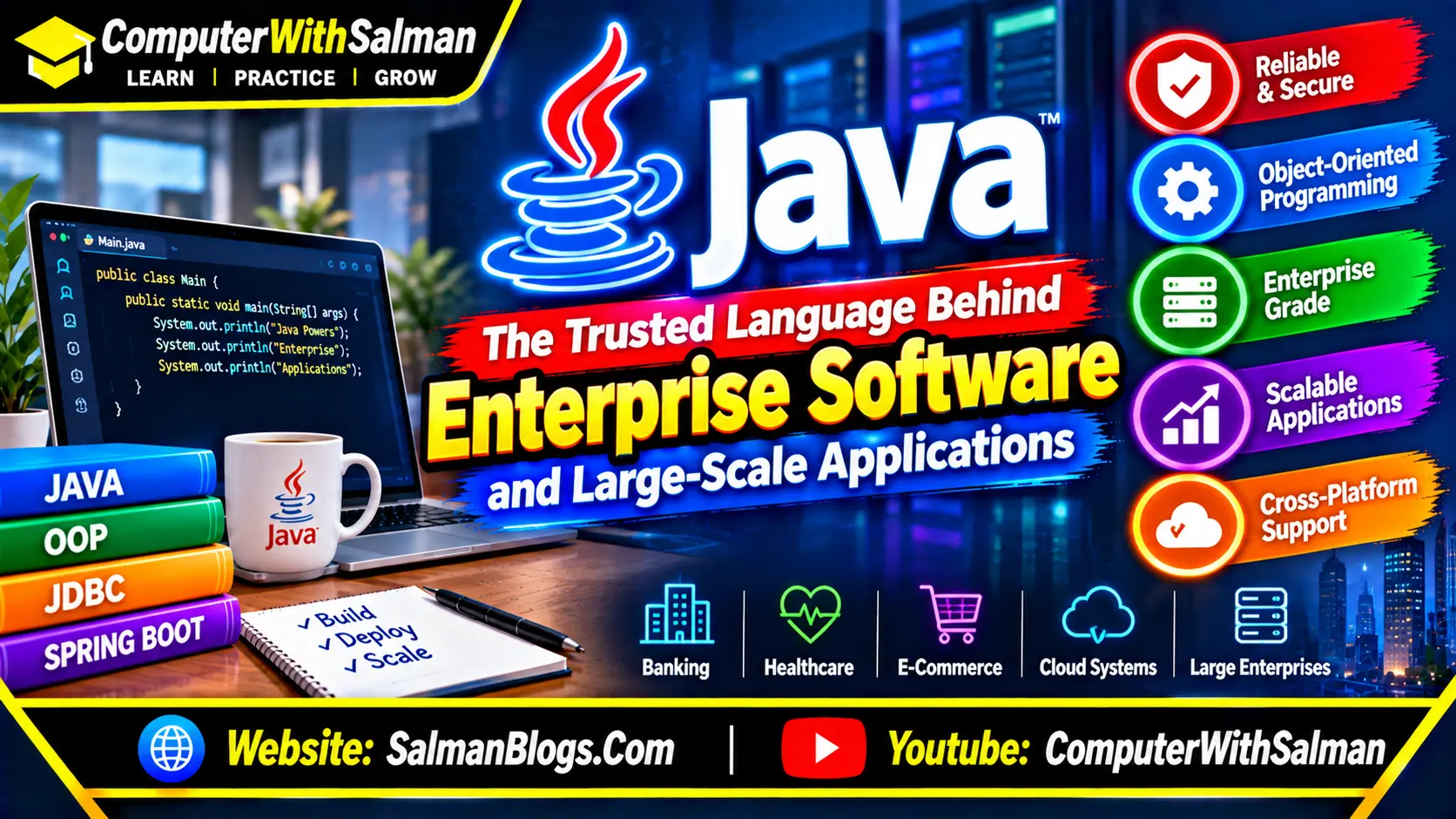
In 2026, Java is still the first choice for many large organizations because it is reliable, secure, and built to handle complex applications. Banks, insurance companies, healthcare providers, governments, and global enterprises continue to depend on Java for software that must run smoothly for years without major problems.
Modern Java has also evolved significantly. Recent versions offer better performance, cleaner syntax, and improved developer productivity, making it a strong choice for both new and existing projects.
Where Java Is Used
- Enterprise Software: Building large business applications used by companies worldwide.
- Backend Development: Creating secure APIs and web services using Spring Boot.
- Banking & Finance: Powering online banking, payment systems, and financial platforms.
- Android Development: Maintaining and developing Android applications alongside Kotlin.
- Cloud Applications: Developing scalable cloud-native services and microservices.
- Big Data: Working with distributed data processing frameworks.
Why Java Remains Popular
- Excellent performance and stability.
- Strong security features for enterprise applications.
- Huge ecosystem of libraries and frameworks.
- Runs on Windows, Linux, macOS, and cloud platforms.
- Large number of job opportunities across industries.
Simple Example
Imagine you log in to your bank's mobile app to transfer money. Behind the scenes, Java may be processing your request, checking your account balance, verifying security, and completing the transaction safely within seconds.
Another example is an airline reservation system where thousands of passengers book flights every minute. Java helps keep these large systems reliable, secure, and available around the clock.
Recommended IDEs
-
IntelliJ IDEA
Open the link below:
https://www.jetbrains.com/idea/ -
Eclipse IDE
Open the link below:
https://eclipseide.org/ -
Apache NetBeans
Open the link below:
https://netbeans.apache.org/ -
Visual Studio Code
Open the link below:
https://code.visualstudio.com/
Career Opportunities
- Java Developer
- Backend Developer
- Software Engineer
- Enterprise Application Developer
- Cloud Engineer
- Android Developer
Who Should Learn Java?
Java is a great choice for developers who want to build enterprise software, backend systems, financial applications, cloud services, or Android apps. Its long-term stability and strong job market make it one of the safest programming languages to learn in 2026.
Final Simple Idea
Think of Java as the foundation of many of the world's largest software systems. It may not always make headlines, but it quietly powers countless applications that businesses and millions of users rely on every day.
5. Go (Golang): The Go-To Language for Cloud Computing and High-Performance Backends
As more businesses move their applications to the cloud, the demand for fast, reliable, and efficient backend systems continues to grow. That's one of the biggest reasons Go, also known as Golang, has become one of the most valuable programming languages to learn in 2026.

Developed by Google, Go was designed to make software development simpler without sacrificing performance. It combines the speed of compiled languages with a clean, beginner-friendly syntax, allowing developers to build applications that are easy to write, deploy, and maintain.
Today, Go is widely used by cloud providers, technology startups, and large enterprises to power APIs, microservices, DevOps tools, and distributed systems. Many modern internet services rely on Go because it can efficiently handle thousands of requests at the same time.
Where Go Is Used
- Cloud Computing: Building cloud-native applications and scalable services.
- Backend Development: Creating high-performance APIs and web servers.
- Microservices: Developing independent services that work together in large applications.
- DevOps & Infrastructure: Building deployment, monitoring, and automation tools.
- Networking Software: Creating fast proxies, gateways, and network services.
- Container Platforms: Powering technologies such as Docker and Kubernetes.
Why Developers Choose Go
- Excellent performance with low memory usage.
- Simple and readable syntax.
- Built-in support for concurrency and parallel processing.
- Fast compilation and easy deployment.
- Perfect for cloud-native and scalable applications.
Simple Example
Imagine you're developing a video streaming platform with millions of users watching content at the same time. The servers need to process thousands of requests every second without slowing down. Go is designed to handle this kind of workload efficiently.
Another example is an online payment gateway where speed and reliability are essential. Go helps process transactions quickly while maintaining consistent performance under heavy traffic.
Recommended IDEs
-
Visual Studio Code
Open the link below:
https://code.visualstudio.com/ -
GoLand
Open the link below:
https://www.jetbrains.com/go/ -
LiteIDE
Open the link below:
https://github.com/visualfc/liteide -
Vim / Neovim
Open the link below:
https://neovim.io/
Career Opportunities
- Go Developer
- Backend Engineer
- Cloud Engineer
- DevOps Engineer
- Platform Engineer
- Site Reliability Engineer (SRE)
Who Should Learn Go?
Go is a great choice for developers who want to work in cloud computing, backend development, DevOps, or distributed systems. If you're interested in building software that needs to be fast, scalable, and reliable, Go is one of the best languages to learn in 2026.
Final Simple Idea
Think of Go as the engine behind many modern cloud services. It was built for speed, simplicity, and scalability, making it a favorite choice for developers building the next generation of internet applications.
6. Rust: The High-Performance Language Focused on Speed and Safety
As software becomes more complex and performance demands continue to increase, developers need programming languages that are both fast and reliable. Rust has earned a strong reputation by delivering the speed of low-level languages while helping developers avoid many common programming errors.
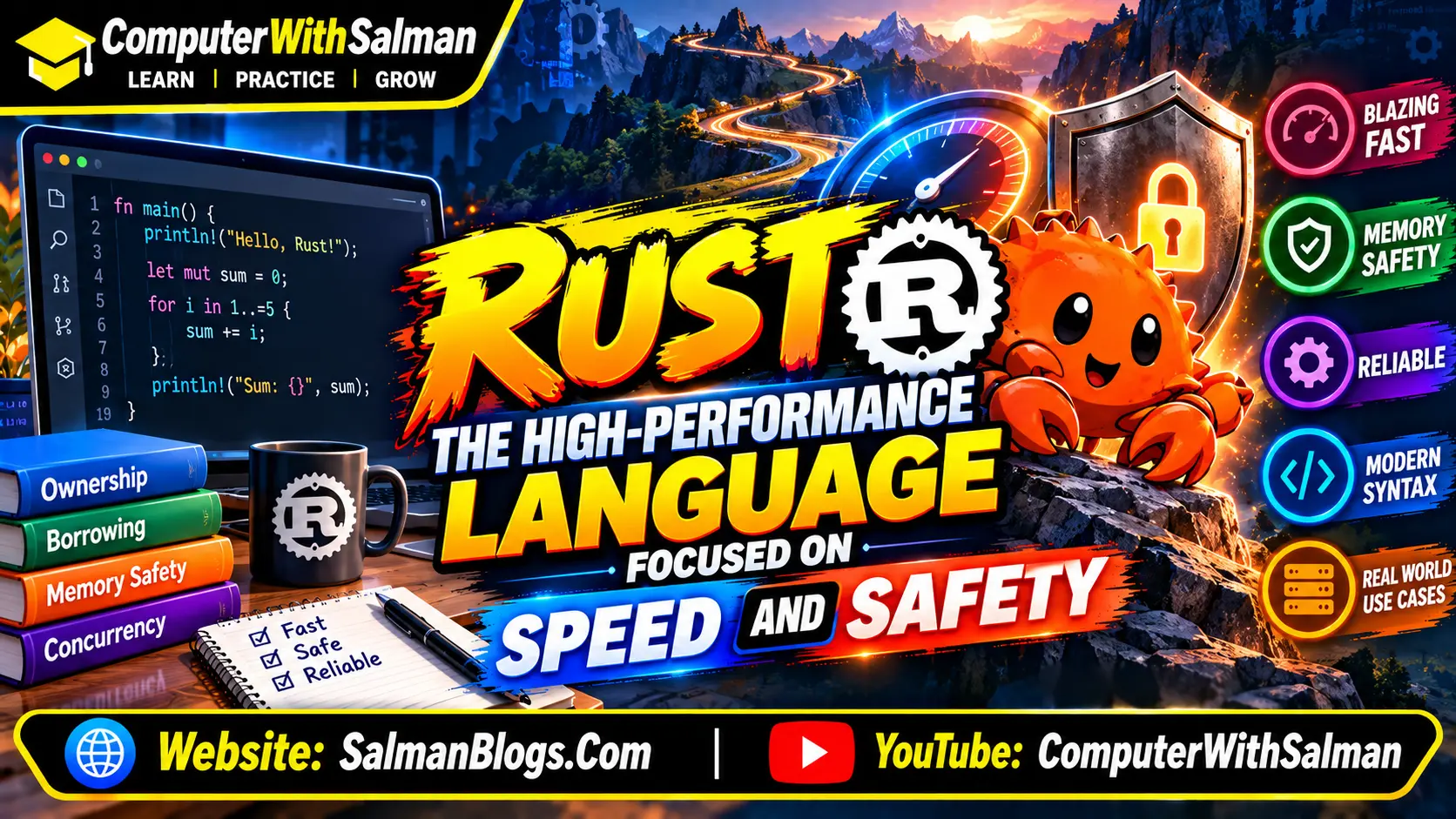
In 2026, Rust is one of the fastest-growing languages for system programming, cybersecurity, cloud infrastructure, embedded systems, and performance-critical applications. Companies are adopting Rust because it offers excellent performance without sacrificing memory safety, making software more stable and secure.
Although Rust has a steeper learning curve than languages like Python or JavaScript, many developers believe the extra effort is worthwhile for projects where reliability and efficiency are essential.
Where Rust Is Used
- System Programming: Building operating systems, system utilities, and command-line tools.
- Cybersecurity: Developing secure applications and security-focused software.
- Cloud Infrastructure: Creating high-performance cloud services and networking tools.
- Game Development: Building game engines and performance-intensive components.
- Embedded Systems: Programming IoT devices, hardware controllers, and edge devices.
- Blockchain: Developing smart contracts and blockchain infrastructure.
Why Rust Is Becoming So Popular
- Excellent performance comparable to C and C++.
- Strong memory safety without relying on a garbage collector.
- Reduces many common programming bugs during compilation.
- Ideal for software that requires both speed and security.
- Growing adoption among cloud and infrastructure companies.
Simple Example
Imagine you're building software for a self-driving vehicle or a medical device. Even a small programming error could have serious consequences. Rust helps developers catch many of these issues before the program is ever run, making the software more dependable.
Another example is a cloud server that processes millions of requests every day. Rust allows developers to build fast applications while using memory more efficiently than many other languages.
Recommended IDEs
-
Visual Studio Code
Open the link below:
https://code.visualstudio.com/ -
RustRover
Open the link below:
https://www.jetbrains.com/rust/ -
IntelliJ IDEA (Rust Plugin)
Open the link below:
https://www.jetbrains.com/idea/ -
Neovim
Open the link below:
https://neovim.io/
Career Opportunities
- Rust Developer
- Systems Engineer
- Backend Engineer
- Security Engineer
- Blockchain Developer
- Embedded Software Engineer
Who Should Learn Rust?
Rust is an excellent choice for developers interested in systems programming, cloud infrastructure, cybersecurity, embedded software, or high-performance applications. While it's more challenging than beginner-friendly languages, it offers valuable skills for specialized and high-demand roles.
Final Simple Idea
Think of Rust as a language built for situations where speed, security, and reliability are equally important. It helps developers create software that is both powerful and dependable, making it one of the most respected programming languages in 2026.
7. C#: The Versatile Language for Business Software, Cloud Apps, and Game Development
If you're looking for a programming language that can build business software, cloud applications, desktop programs, and even video games, C# is one of the best choices in 2026. Developed by Microsoft, C# has evolved into a modern, powerful language that's trusted by startups, enterprises, and independent developers around the world.
C# works closely with the .NET platform, allowing developers to create fast, secure, and scalable applications. Whether you're building an internal business system, a web API, a cloud service, or a cross-platform desktop application, C# provides a rich ecosystem and excellent developer tools.
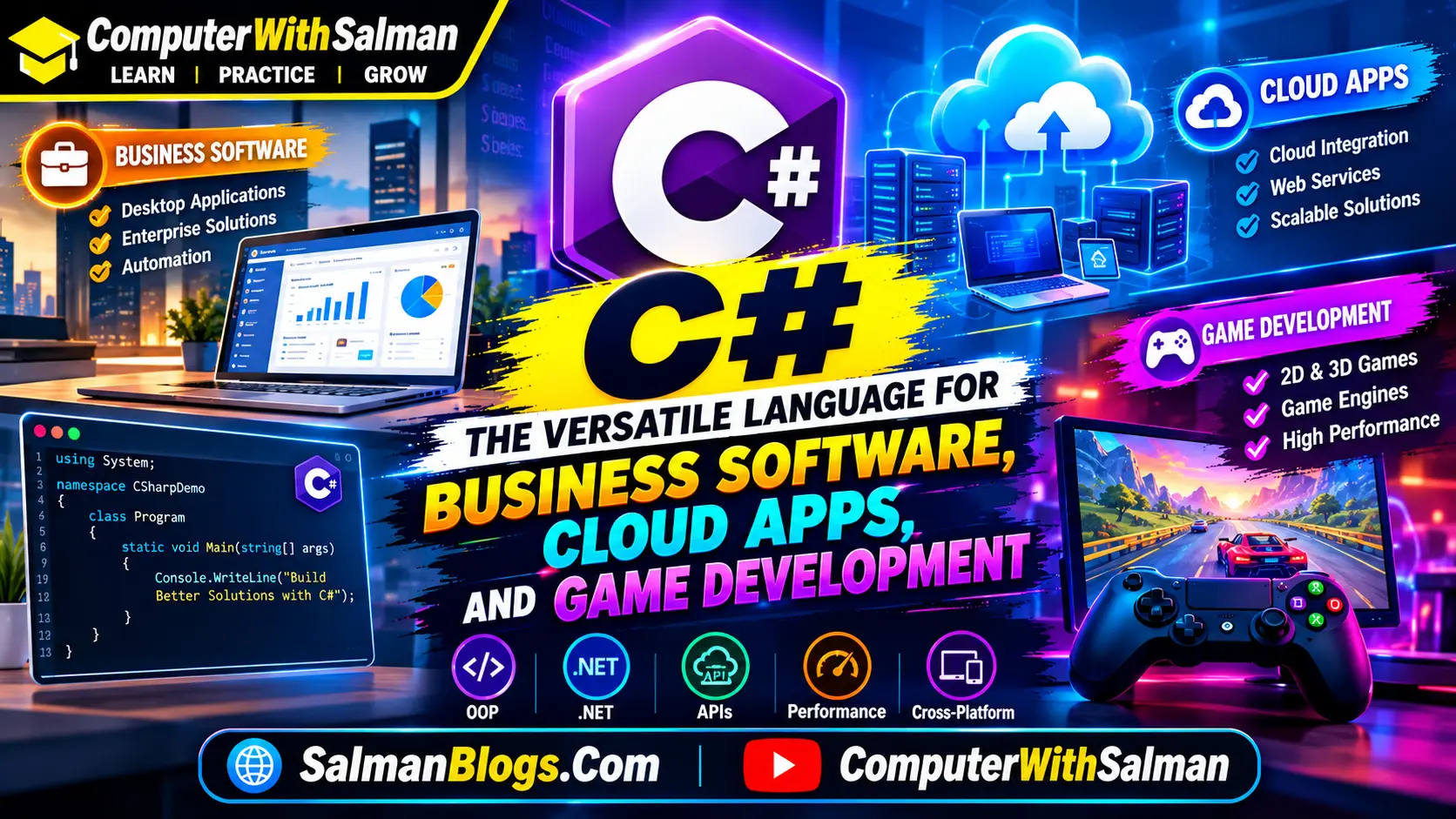
Beyond business software, C# is also the primary language used with the Unity game engine. From mobile games and PC titles to virtual reality (VR) and augmented reality (AR) experiences, millions of developers use C# to create interactive applications enjoyed by people worldwide.
Where C# Is Used
- Enterprise Software: Developing business applications, ERP systems, and management software.
- Web Development: Building APIs and web applications with ASP.NET Core.
- Cloud Computing: Creating cloud-native applications and services on Microsoft Azure.
- Desktop Applications: Building Windows software and cross-platform apps with .NET MAUI.
- Game Development: Creating 2D, 3D, AR, and VR games using Unity.
- Mobile Applications: Developing cross-platform apps for Android and iOS with .NET technologies.
Why Developers Choose C#
- Modern, clean, and easy-to-read syntax.
- Excellent integration with the .NET ecosystem.
- Powerful tools for web, desktop, cloud, and game development.
- Strong performance, security, and long-term Microsoft support.
- Large community with extensive learning resources and documentation.
Simple Example
Imagine a hospital using software to manage patient records, appointments, and billing. That entire system can be built with C#, helping staff work more efficiently while keeping sensitive information secure.
Another example is a mobile game developed with Unity. Every player movement, animation, score update, and game mechanic is controlled by C# code running in the background.
Recommended IDEs
-
Visual Studio
Open the link below:
https://visualstudio.microsoft.com/ -
JetBrains Rider
Open the link below:
https://www.jetbrains.com/rider/ -
Visual Studio Code
Open the link below:
https://code.visualstudio.com/ -
Cursor AI
Open the link below:
https://cursor.com/
Career Opportunities
- .NET Developer
- C# Developer
- Backend Developer
- Software Engineer
- Cloud Developer
- Unity Game Developer
- Full-Stack Developer
Who Should Learn C#?
C# is an excellent choice for developers who want to build enterprise software, cloud applications, Windows programs, or games with Unity. If you're interested in working within the Microsoft ecosystem or creating professional business applications, C# offers excellent career opportunities and long-term stability.
Final Simple Idea
Think of C# as an all-in-one programming language. Whether you're building a company's business software, a cloud service, or the next popular video game, C# gives you the tools to create powerful, modern, and reliable applications.
8. Kotlin: The Modern Language for Android and Cross-Platform App Development
If your goal is to build Android apps, Kotlin should be at the top of your learning list. Since becoming Google's preferred language for Android development, Kotlin has continued to grow, and in 2026 it remains one of the most valuable programming languages for mobile developers.
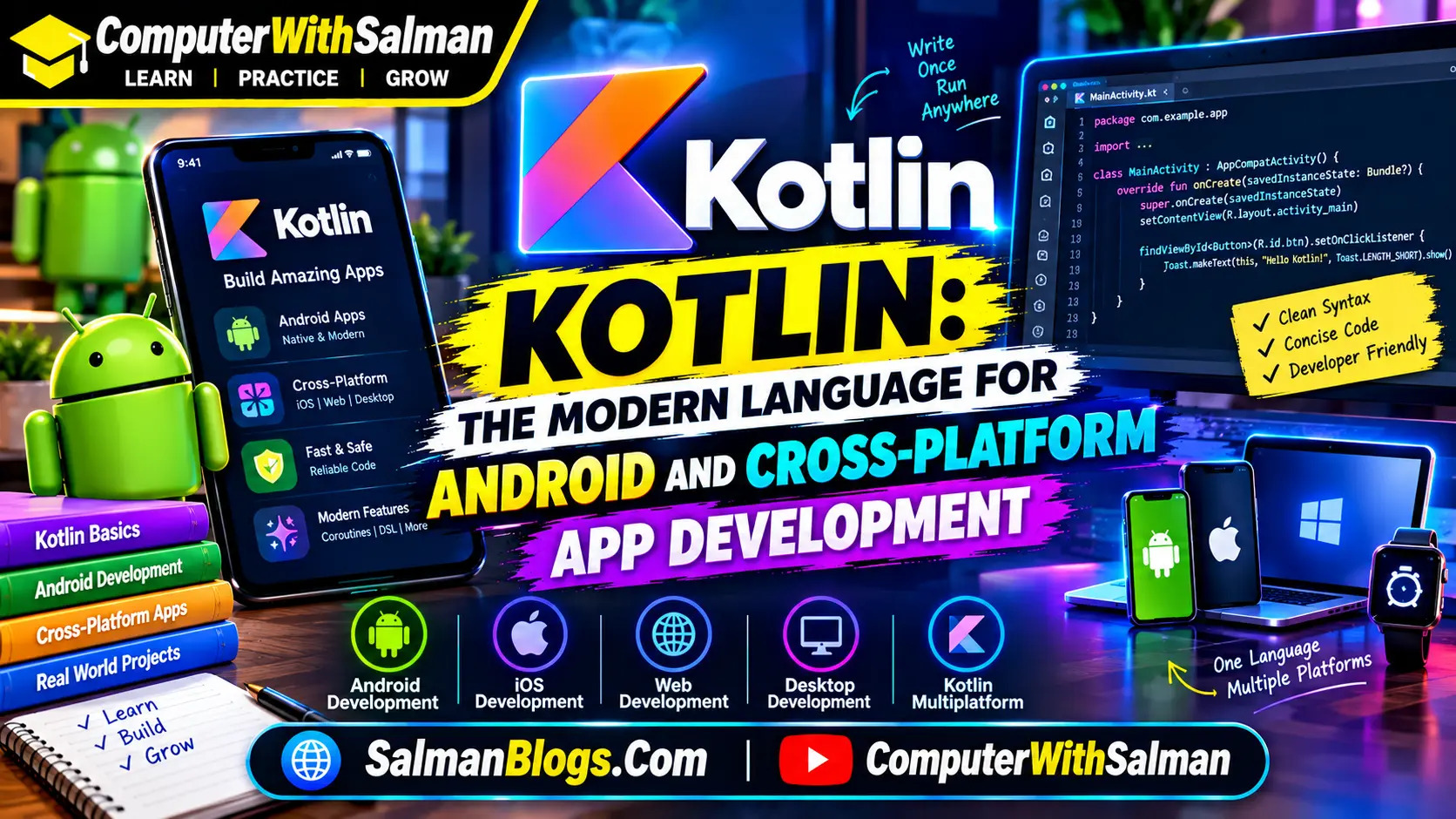
Kotlin was designed to improve many of Java's limitations while remaining fully compatible with existing Java code. It offers a cleaner syntax, fewer lines of code, and built-in safety features that help developers write more reliable applications.
Today, Kotlin is used not only for Android apps but also for backend development, desktop software, and cross-platform mobile applications through Kotlin Multiplatform. This allows developers to share code across Android, iOS, desktop, and web projects, reducing development time and maintenance.
Where Kotlin Is Used
- Android App Development: Building modern Android applications.
- Cross-Platform Apps: Sharing business logic between Android and iOS using Kotlin Multiplatform.
- Backend Development: Creating APIs and web services with Ktor and Spring Boot.
- Desktop Applications: Building desktop software with Compose Multiplatform.
- Enterprise Software: Developing scalable business applications.
- Mobile Startups: Building fast, modern apps with less code.
Why Developers Choose Kotlin
- Officially recommended by Google for Android development.
- Cleaner and more concise syntax than Java.
- Excellent interoperability with existing Java projects.
- Helps reduce common programming errors.
- Supports Android, backend, desktop, and cross-platform development.
Simple Example
Imagine you're developing a food delivery app for Android. Users can browse restaurants, place orders, make payments, and track deliveries in real time. Kotlin makes it easier to build these features while keeping the code clean and maintainable.
Another example is a company building both Android and iPhone apps. With Kotlin Multiplatform, much of the business logic can be shared, reducing duplicate work and speeding up development.
Recommended IDEs
-
Android Studio
Open the link below:
https://developer.android.com/studio -
IntelliJ IDEA
Open the link below:
https://www.jetbrains.com/idea/ -
Visual Studio Code
Open the link below:
https://code.visualstudio.com/ -
Cursor AI
Open the link below:
https://cursor.com/
Career Opportunities
- Android Developer
- Kotlin Developer
- Mobile App Developer
- Backend Developer
- Software Engineer
- Cross-Platform App Developer
Who Should Learn Kotlin?
Kotlin is ideal for anyone who wants to build Android apps or work in mobile application development. It's also a strong choice for developers interested in cross-platform development or modern backend services. With Google's continued support and growing industry adoption, Kotlin remains one of the best languages to learn in 2026.
Final Simple Idea
Think of Kotlin as the modern evolution of Java for mobile development. It helps developers build powerful Android and cross-platform applications with cleaner code, fewer bugs, and faster development.
9. Swift: Apple's Powerful Language for iPhone, iPad, Mac, and Vision Pro Apps
If you want to develop apps for Apple's ecosystem, Swift is the language you should learn. Introduced by Apple as a modern replacement for Objective-C, Swift has become the standard language for building applications across iPhone, iPad, Mac, Apple Watch, Apple TV, and Vision Pro devices.
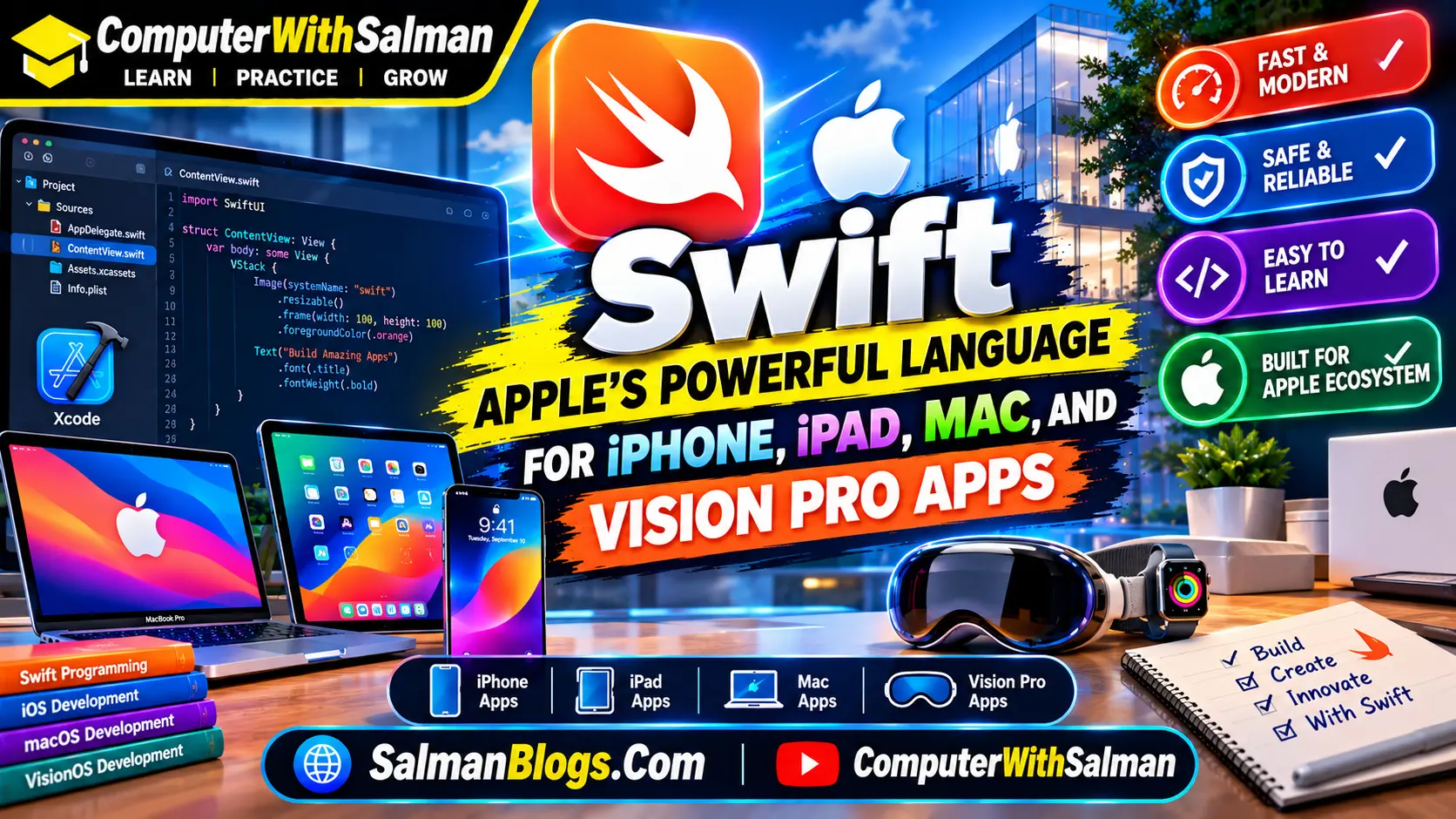
In 2026, Swift continues to be one of the most valuable programming languages for mobile developers. It combines speed, safety, and an easy-to-read syntax, allowing developers to create high-performance applications with fewer coding errors.
Swift is also evolving beyond Apple's platforms. With growing server-side support and open-source development, it's becoming a practical choice for modern application development while remaining the undisputed leader for iOS and macOS apps.
Where Swift Is Used
- iPhone Apps: Building native iOS applications.
- iPad Applications: Creating productivity, education, and entertainment apps.
- macOS Software: Developing desktop applications for Mac computers.
- watchOS Apps: Building applications for Apple Watch.
- visionOS Apps: Creating immersive applications for Apple Vision Pro.
- Server-Side Development: Building backend services using Swift frameworks.
Why Developers Choose Swift
- Official programming language for Apple's platforms.
- Fast, modern, and memory-efficient.
- Easy-to-read syntax that's beginner-friendly.
- Excellent performance for native applications.
- Strong integration with Apple's developer ecosystem.
Simple Example
Imagine you're creating a fitness app for iPhone that tracks daily workouts, monitors heart rate through Apple Watch, and displays progress on a Mac. Swift allows all these Apple devices to work together smoothly within the same ecosystem.
Another example is building an augmented reality application for Apple Vision Pro, where users can interact with virtual objects in their surroundings. Swift provides the performance needed for these immersive experiences.
Recommended IDEs
-
Xcode
Open the link below:
https://developer.apple.com/xcode/ -
Visual Studio Code
Open the link below:
https://code.visualstudio.com/ -
AppCode (Legacy)
Open the link below:
https://www.jetbrains.com/objc/
Note: JetBrains has discontinued AppCode, but some developers still use existing installations. -
Cursor AI
Open the link below:
https://cursor.com/
Career Opportunities
- iOS Developer
- Swift Developer
- Mobile App Developer
- macOS Developer
- visionOS Developer
- Software Engineer
Who Should Learn Swift?
Swift is the best choice for developers who want to create apps for iPhone, iPad, Mac, Apple Watch, or Vision Pro. If you're interested in Apple's ecosystem or building premium mobile applications, Swift remains one of the most valuable programming languages to learn in 2026.
Final Simple Idea
Think of Swift as the gateway to Apple's ecosystem. If your dream is to publish apps on the App Store or build software for millions of Apple users, Swift is the language that will help you get there.
10. SQL: The Essential Language for Working with Data and Databases
Every website, mobile app, banking system, online store, and business platform stores information somewhere. Customer accounts, product details, payments, orders, and reports all live inside databases, and SQL (Structured Query Language) is the standard language used to manage that data.
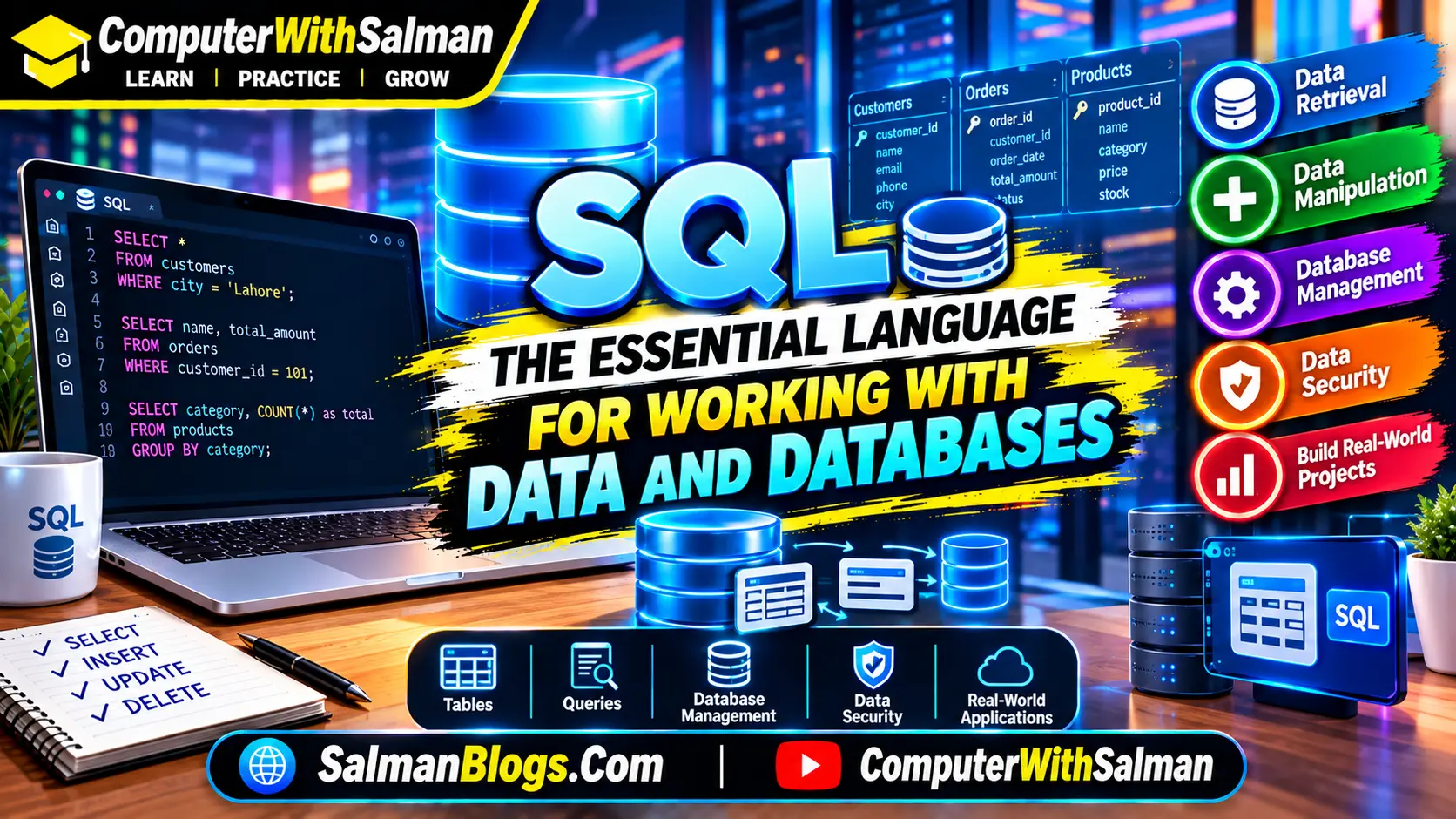
Unlike the other languages in this list, SQL isn't used to build complete applications. Instead, it helps developers, analysts, and database administrators store, retrieve, update, and organize information efficiently. That's why SQL remains one of the most valuable technical skills in 2026, regardless of whether you specialize in web development, data science, cybersecurity, artificial intelligence, or business intelligence.
Almost every software application interacts with a database, making SQL a skill that complements many other programming languages such as Python, JavaScript, Java, C#, and Go.
Where SQL Is Used
- Database Management: Creating, updating, and organizing databases.
- Web Applications: Storing user accounts, products, orders, and application data.
- Data Analysis: Querying large datasets to generate reports and insights.
- Business Intelligence: Supporting dashboards and decision-making tools.
- Artificial Intelligence: Preparing and retrieving training data for AI models.
- Cloud Databases: Managing cloud-based database services and enterprise systems.
Why SQL Is Still Important
- Works with nearly every major database system.
- Essential for developers, data analysts, and database administrators.
- Easy to learn compared to many programming languages.
- Used in almost every industry that handles digital information.
- Pairs well with Python, Java, JavaScript, C#, and many other languages.
Simple Example
Imagine you own an online clothing store. Every time a customer places an order, SQL helps store their information, update inventory, process order history, and generate sales reports.
Another example is a hospital database where doctors search patient records, update medical histories, and retrieve laboratory results using SQL queries.
Recommended IDEs
-
MySQL Workbench
Open the link below:
https://www.mysql.com/products/workbench/ -
DataGrip
Open the link below:
https://www.jetbrains.com/datagrip/ -
DBeaver
Open the link below:
https://dbeaver.io/ -
Visual Studio Code (SQL Extensions)
Open the link below:
https://code.visualstudio.com/
Career Opportunities
- Database Developer
- SQL Developer
- Data Analyst
- Business Intelligence Analyst
- Database Administrator (DBA)
- Data Engineer
Who Should Learn SQL?
SQL is an excellent skill for anyone working with data. Whether you're a web developer, software engineer, data scientist, AI engineer, or business analyst, understanding SQL will help you work more effectively with databases and make better use of the information stored within them.
Final Simple Idea
Think of SQL as the language that communicates with databases. No matter what type of software you're building, chances are it needs to store and retrieve data, and that's where SQL becomes an essential skill in 2026.
How to Choose the Right Programming Language
There's no single "best" programming language for everyone. The right choice depends on your career goals, interests, and the type of software you want to build. Start with one language, master the fundamentals, and then expand your skills as your career grows.
- Python → Best for AI, machine learning, data science, automation, and beginners.
- JavaScript → Best for interactive websites, frontend development, and full-stack web applications.
- TypeScript → Best for large-scale web applications, enterprise frontend development, and modern JavaScript projects.
- Java → Best for enterprise software, banking systems, backend development, and Android applications.
- Go (Golang) → Best for cloud computing, backend APIs, DevOps, and scalable distributed systems.
- Rust → Best for systems programming, cybersecurity, blockchain, and performance-critical software.
- C# → Best for Windows applications, enterprise software, cloud services, and Unity game development.
- Kotlin → Best for Android development and cross-platform mobile applications.
- Swift → Best for iPhone, iPad, Mac, Apple Watch, and Vision Pro app development.
- SQL → Best for database management, data analysis, reporting, and working with application data.
Final Tip
If you're completely new to programming, start with Python because it's easy to learn and widely used across many fields. Once you're comfortable with the basics, choose a language that matches your career goals, whether that's web development, mobile apps, cloud computing, game development, or artificial intelligence.
Practical Tips to Learn Programming Faster
Learning a programming language takes time and consistent practice. Instead of trying to memorize everything, focus on building real projects and solving practical problems. The more you code, the more confident you'll become.
- Build Small Projects: Create calculators, to-do apps, weather apps, or personal websites to apply what you've learned.
- Practice Every Day: Even 30–60 minutes of coding each day is more effective than studying for hours once a week.
- Read Official Documentation: Learn directly from the language's official documentation to understand best practices and new features.
- Study Open-Source Projects: Explore GitHub repositories to see how experienced developers write clean and organized code.
- Use AI as a Learning Partner: Tools like ChatGPT, GitHub Copilot, Cursor, and Windsurf can explain concepts, review code, and help you solve problems, but always understand the solution instead of simply copying it.
- Share Your Projects: Upload your work to GitHub and create a portfolio that showcases your skills to potential employers.
- Learn Core Programming Concepts: Focus on variables, loops, functions, data structures, algorithms, and problem-solving before learning advanced frameworks.
- Keep Building: Every new project teaches something different. The more software you build, the faster you'll improve.
Final Tip
The fastest way to become a better programmer isn't by watching endless tutorials. It's by writing code consistently. Start with simple projects, learn from your mistakes, and gradually challenge yourself with larger applications.
Key Points
- Python remains the best language for beginners, AI, machine learning, data science, and automation.
- JavaScript continues to power the modern web, while TypeScript has become the preferred choice for large-scale web applications.
- Java remains one of the most trusted languages for enterprise software, banking systems, and backend development.
- Go (Golang) is an excellent choice for cloud computing, microservices, DevOps, and high-performance backend applications.
- Rust is growing rapidly thanks to its focus on speed, memory safety, and secure system programming.
- C# is widely used for Windows applications, enterprise software, cloud services, and Unity game development.
- Kotlin is Google's preferred language for Android development and is also used for cross-platform mobile apps.
- Swift is the standard language for building applications across Apple's ecosystem, including iPhone, iPad, Mac, Apple Watch, and Vision Pro.
- SQL remains an essential skill for working with databases, business applications, data analysis, and AI projects.
- The best programming language depends on your career goals, but mastering one language well makes learning others much easier.
Frequently Asked Questions (FAQs)
Python is the best choice for beginners because it has simple syntax, is easy to learn, and is widely used in AI, web development, automation, and data science.
Python is popular because it's easy to read, has thousands of free libraries, and can be used for AI, machine learning, automation, web development, and data analysis.
Yes. JavaScript remains the backbone of modern web development and is essential for building interactive websites, web apps, and full-stack applications.
TypeScript is an improved version of JavaScript that adds type checking, helping developers write cleaner, safer, and more maintainable code.
Yes. Java is widely used for enterprise software, banking systems, cloud applications, backend development, and Android apps.
Go is mainly used for cloud computing, backend APIs, DevOps, microservices, and high-performance server applications.
Rust offers excellent performance and memory safety, making it ideal for system programming, cybersecurity, cloud infrastructure, and blockchain projects.
C# is used for Windows applications, enterprise software, cloud services, web development with .NET, and game development using Unity.
Kotlin is Google's preferred language for Android development and is also used for backend services and cross-platform mobile applications.
Swift is Apple's official programming language for building apps for iPhone, iPad, Mac, Apple Watch, Apple TV, and Vision Pro.
SQL is used to manage databases, retrieve information, generate reports, and support applications that store and process data.
With consistent practice and real-world projects, many learners become job-ready within 6 to 12 months.
No. Many successful developers are self-taught. Strong programming skills, practical projects, and a good portfolio are often more important than a degree.
Practice every day, build real projects, read official documentation, explore open-source code, and use AI tools to understand concepts, not just copy code.
Choose based on your goals: Python for AI and automation, JavaScript or TypeScript for web development, Kotlin for Android, Swift for iOS, Java for enterprise software, Go for cloud computing, Rust for systems programming, C# for .NET and Unity, and SQL for working with databases.
Related Posts
- How AI is Changing Our World
- Top 10 AI Tools You Must be Using in 2026
- The The-Future-of-Smartphones
Final Thoughts
Programming languages will continue to evolve, but the fundamentals of software development remain the same. The best language isn't necessarily the most popular one. It's the one that helps you achieve your goals and build the type of applications you're passionate about.
If you're just getting started, begin with one language and focus on mastering the basics before jumping to another. Learn how to solve problems, write clean code, work with databases, use version control, and build real projects. These practical skills are far more valuable than knowing the syntax of multiple languages.
In 2026, AI coding assistants have made development faster than ever, but they haven't replaced the need for skilled programmers. Companies still need developers who understand software architecture, debugging, security, performance, and how to turn ideas into reliable applications.
Whether you choose Python for AI, JavaScript and TypeScript for web development, Java or Go for backend systems, Kotlin or Swift for mobile apps, Rust for high-performance software, C# for enterprise applications and game development, or SQL for working with databases, the key to success is consistent practice.
Keep learning, build projects that solve real problems, and stay curious about new technologies. The programming language you choose is only the starting point. Your creativity, persistence, and willingness to keep improving are what will shape your future as a developer.